
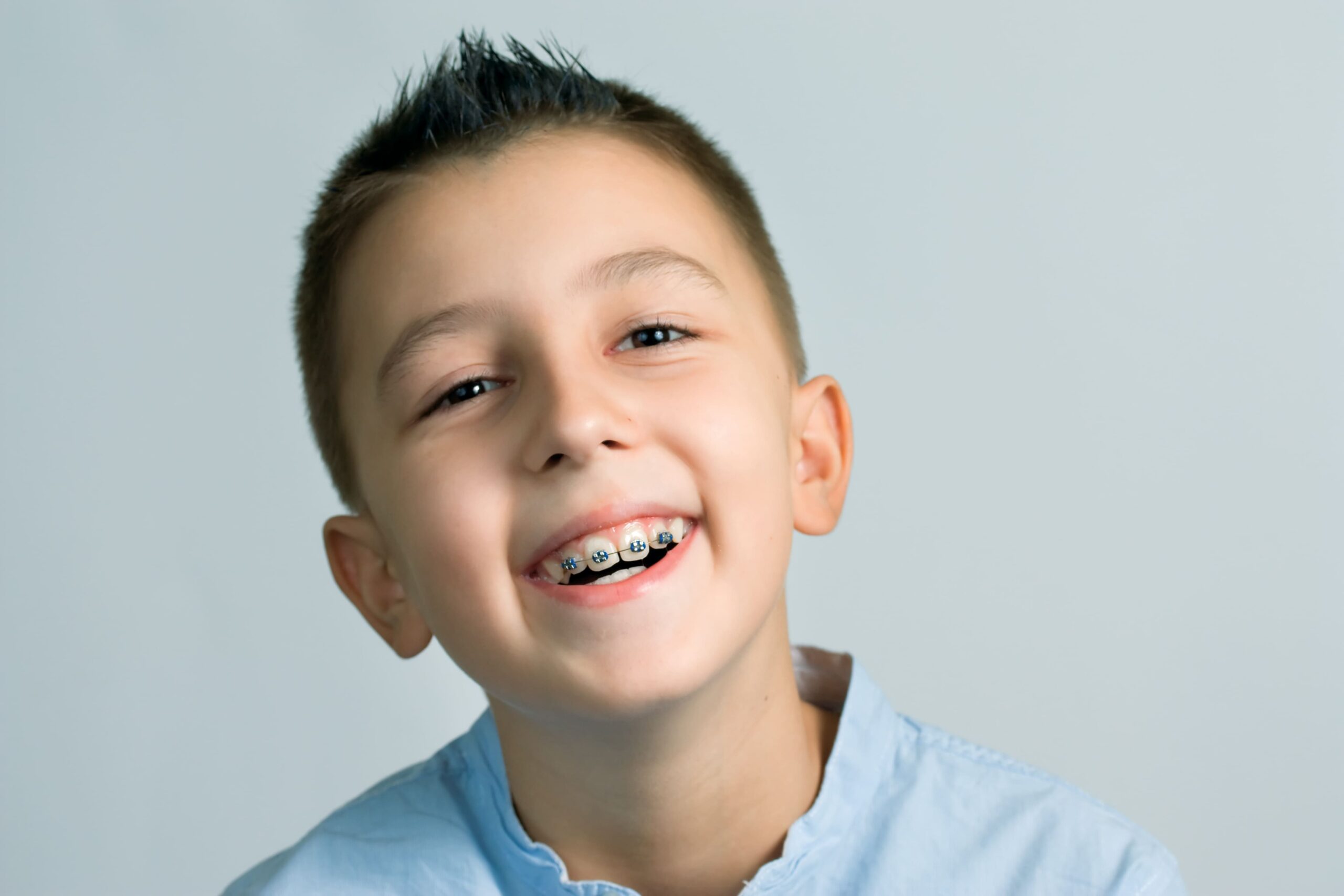
Every parent wants their child to grow up with a healthy, confident smile. One of the most important ways to ensure this is by monitoring their dental development and knowing when orthodontic treatment might be necessary. Early detection of potential alignment or bite issues can make treatment easier, more effective, and often shorter in duration. But how do you know when your child might need braces? Understanding the early signs is crucial in helping your child achieve a straight, healthy smile for life.
Why Early Detection Matters
The American Association of Orthodontists recommends that children have their first orthodontic evaluation by age seven. This isn’t necessarily because most children need braces at this age, but because early evaluation allows the orthodontist to detect potential problems before they become severe. At age seven, children typically have a mix of baby teeth and permanent teeth, providing the ideal window for assessing growth patterns, bite development, and jaw alignment.
Early detection can prevent more serious dental issues in the future, reduce the risk of trauma to protruding teeth, and make later orthodontic treatment, including braces for kids, more straightforward. It can also boost your child’s self-esteem, as teeth corrected at the right time help enhance their smile during critical social development years.
Common Early Signs That Braces May Be Needed
While every child is different, there are several common indicators that might suggest your child could benefit from orthodontic evaluation. These signs are not always cause for immediate concern, but they do warrant a consultation with a pediatric dentist or orthodontist.
1. Crowded or Crooked Teeth
One of the most obvious signs is when permanent teeth appear crowded or misaligned as they emerge. Crowding can occur when there isn’t enough space in the jaw for all teeth to fit properly. Left untreated, crowded teeth can lead to oral hygiene challenges, including difficulty brushing or flossing, which increases the risk of cavities and gum disease.
2. Difficulty Biting or Chewing
If your child frequently struggles to bite or chew their food, it could indicate an alignment issue. Misaligned teeth or an improper bite can make eating uncomfortable and affect their nutrition. Problems like overbite, underbite, or crossbite may not always be visible, so observing their chewing habits is important.
3. Early or Late Loss of Baby Teeth
Children usually begin losing baby teeth around age six. Losing teeth too early or too late can disrupt the normal growth and alignment of permanent teeth. Premature loss may cause surrounding teeth to shift into empty spaces, while delayed loss can prevent permanent teeth from emerging correctly.
4. Thumb Sucking or Prolonged Pacifier Use
While thumb sucking is a common habit in young children, prolonged thumb sucking or pacifier use beyond age four can affect the shape of the jaw and the alignment of the teeth. Over time, this habit can contribute to an overbite or other malocclusion issues that may require braces.
5. Mouth Breathing or Snoring
Chronic mouth breathing or frequent snoring in children can sometimes indicate jaw or airway problems that affect dental development. Mouth breathing can cause the upper jaw to develop differently, potentially leading to crooked teeth or bite issues.
6. Speech Difficulties
Speech problems, such as lisps or difficulty pronouncing certain sounds, may be related to dental alignment or jaw development issues. Teeth that are not properly aligned can affect tongue placement and speech clarity. Early orthodontic evaluation can help identify the root cause and determine whether braces or other treatments are necessary.
7. Jaw Pain or Clicking
If your child complains of jaw pain, headaches, or notices clicking or popping when opening and closing their mouth, it could be a sign of temporomandibular joint (TMJ) issues. While jaw discomfort is not always caused by misaligned teeth, it’s an important indicator that should be evaluated by a pediatric dentist or orthodontist.
8. Teeth That Don’t Meet Properly
When the upper and lower teeth don’t come together properly, it may indicate an overbite, underbite, or crossbite. You can observe this by looking at your child’s smile or having them bite down. Even slight misalignment can affect chewing, speaking, and oral hygiene if left untreated.
How Early Intervention Helps
Early orthodontic evaluation is often referred to as “interceptive orthodontics.” This approach allows the orthodontist to address issues while your child’s jaw is still growing, making treatment easier and sometimes shorter. Interceptive orthodontics can involve appliances such as spacers, expanders, or limited braces that guide the development of the jaw and teeth.
For example, if a child has a crossbite, an orthodontist may recommend a palatal expander to widen the upper jaw. If teeth are severely crowded, early treatment can create space to prevent more invasive procedures later. Essentially, the goal of early intervention is to guide natural growth, minimize the complexity of treatment later, and improve the long-term outcome for your child’s smile.
What to Expect During an Orthodontic Evaluation
A comprehensive evaluation by a pediatric dentist or orthodontist typically includes a visual exam, X-rays, and sometimes dental impressions. The orthodontist will assess the alignment of the teeth, the bite, jaw growth, and facial symmetry. Based on these findings, they will determine whether immediate treatment is necessary or if the child should be monitored over time.
During the consultation, parents are encouraged to ask questions about treatment options, timing, and what to expect in terms of comfort and duration. This discussion helps set realistic expectations and ensures that families feel confident in the recommended treatment plan.
Encouraging Good Dental Habits Early
Even before braces are recommended, parents can support their child’s oral health with proper dental habits. Brushing twice a day, flossing daily, and visiting a pediatric dentist regularly can help maintain healthy teeth and gums. Limiting sugary foods and drinks, encouraging a balanced diet, and discouraging harmful habits like prolonged thumb sucking are also important steps in preventing early orthodontic problems.
Maintaining these habits sets a strong foundation for any future orthodontic treatment, ensuring that braces or other appliances are as effective as possible.
When to Contact an Orthodontist
If you notice any of the signs mentioned above or have concerns about your child’s dental development, scheduling a consultation is the best next step. Early evaluation can make a significant difference in the complexity, duration, and outcome of orthodontic treatment.
Parents in the Westmont and Villa Park, IL area have access to specialized care at Chawla Orthodontics & Pediatric Dentistry. Their experienced team works closely with children and families to detect potential orthodontic issues early and develop personalized treatment plans that prioritize comfort, effectiveness, and long-term oral health. Working with a pediatric dentist in Westmont and Villa Park, IL ensures that your child receives comprehensive care tailored to their unique dental needs.
Ensure Your Child’s Smile Grows Healthy With Chawla Orthodontics & Pediatric Dentistry
At Chawla Orthodontics & Pediatric Dentistry, we understand that every child’s smile is unique. From the first evaluation to the completion of treatment, our team is dedicated to helping your child achieve a healthy, confident smile that lasts a lifetime.
Don’t wait until misalignment becomes a bigger problem. Contact Chawla Orthodontics & Pediatric Dentistry today to schedule an orthodontic consultation in Westmont or Villa Park, IL. Let our experts guide your child toward a straighter, healthier, and happier smile!