
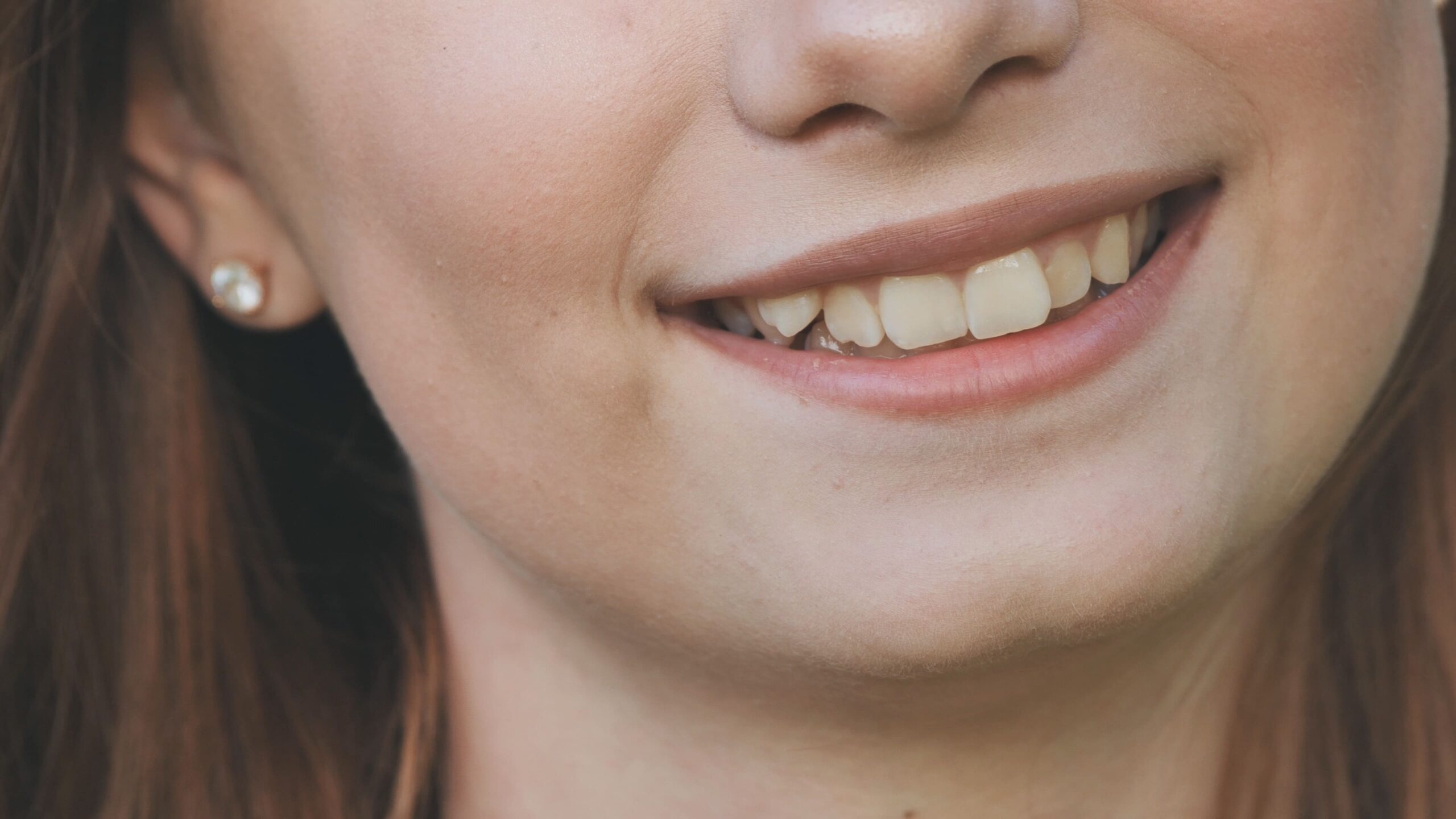
Your teeth do more than create a smile—they reveal a lot about how your bite is functioning. When your bite is properly aligned, your upper and lower teeth work together smoothly, distributing pressure evenly as you chew and speak. But when something is off, your teeth often begin showing subtle warning signs long before pain or major discomfort develops.
Many people assume orthodontic treatment like braces or Invisalign® is only about straightening teeth for appearance. In reality, orthodontists also focus heavily on how the bite functions as a system. When teeth don’t meet correctly, it can affect everything from daily comfort to long-term oral health. Learning to recognize what your teeth are telling you can help you decide when it may be time to consider orthodontic care.
Uneven Wear That Suggests Your Bite Is Off
One of the most common signs of a bite issue is uneven wear on the teeth. If your bite is not properly aligned, certain teeth may take on more pressure than others every time you chew or clench. Over time, this can cause noticeable flattening, chipping, or worn enamel in specific areas.
For example, some patients notice their front teeth becoming more worn than expected, while others see uneven wear on just one side of the mouth. This imbalance often suggests that the bite is shifting or not closing evenly.
Braces or Invisalign® treatment can help correct these imbalances by guiding teeth into more even contact, allowing pressure to be distributed more naturally across the entire bite.
Jaw Fatigue and Tightness After Daily Activities
If your jaw often feels tired after eating or talking, your bite may be working harder than it should. When teeth don’t align correctly, the jaw muscles have to compensate, which can lead to fatigue or tightness.
Some patients describe a dull soreness near the jaw joints or a feeling that their mouth is “working too hard” during meals. Others notice tension building throughout the day, especially when chewing tougher foods.
Orthodontic treatment with braces or Invisalign® can help improve how the upper and lower teeth come together, reducing unnecessary strain on the jaw muscles over time.
Clicking or Popping Sounds in the Jaw
A clicking or popping sound when opening or closing your mouth can be another sign that your bite may not be functioning smoothly. This often involves the temporomandibular joint (TMJ), which connects your jaw to your skull.
When teeth are misaligned, the jaw may shift slightly to find a comfortable position when moving. That shifting motion can sometimes create clicking or popping sensations.
While not every jaw sound requires treatment, persistent or uncomfortable symptoms may indicate that your bite is not in its ideal position. In some cases, braces or Invisalign® can help improve alignment and reduce strain on the jaw joint.
Difficulty Biting or Chewing Comfortably
Your bite should allow you to chew food evenly and comfortably on both sides of your mouth. If you find yourself avoiding certain foods, chewing mostly on one side, or feeling like your teeth don’t “fit together” properly, it may be a sign of misalignment.
This can happen when teeth are crowded, spaced too far apart, or not properly aligned between the upper and lower arches. Even small issues can affect how efficiently your bite functions.
Orthodontic treatment like braces or Invisalign® helps guide teeth into positions where they meet more evenly, improving both comfort and chewing efficiency.
Crowding, Spacing, or Rotated Teeth
While crowding or gaps between teeth are often thought of as cosmetic concerns, they can also affect your bite. When teeth are crowded, they may not come together correctly with opposing teeth. When there are gaps, certain teeth may absorb more force than others during chewing.
Rotated teeth can also interfere with proper alignment, creating uneven contact points that affect how your bite functions overall.
Braces and Invisalign® are designed to gradually correct these issues, improving both the appearance of your smile and the function of your bite.
Changes in Your Bite Over Time
Bite problems can develop slowly, which is why many people don’t notice them right away. You might begin to feel like your bite has changed over the years—your teeth don’t fit together the same way they used to, or your jaw feels slightly “off” when closing.
These changes can happen due to natural tooth movement, aging, missing teeth, or not wearing a retainer after previous orthodontic treatment. Even small shifts can gradually affect how your bite functions.
In many cases, braces or Invisalign® can be used not only to correct alignment but also to restore balance to a bite that has shifted over time.
Head, Jaw, or Facial Tension That Comes and Goes
Some bite issues can contribute to broader symptoms such as jaw tightness, facial tension, or even tension-type headaches. When your bite is not aligned properly, your jaw muscles may need to work harder to find a comfortable position.
This extra effort can sometimes lead to soreness in the jaw area or tightness that extends into the temples or neck. While these symptoms can have multiple causes, orthodontists often evaluate bite alignment as part of a full assessment.
Improving alignment with braces or Invisalign® may help reduce unnecessary strain in some patients, especially when bite imbalance is a contributing factor.
Why These Signs Matter More Than You Think
Your teeth and bite are part of a connected system that affects how you eat, speak, and move your jaw. When that system is balanced, everything works smoothly. But when even small misalignments occur, your body often adapts in ways that can create discomfort or uneven wear.
The important thing to understand is that bite issues rarely stay the same over time. They can slowly progress, which is why early evaluation is so valuable. Orthodontists are trained to identify these subtle patterns and determine whether braces, Invisalign®, or monitoring is the best approach.
Take the Next Step with Chawla Orthodontics in Villa Park and Westmont, IL
If your teeth are showing signs of uneven wear, jaw discomfort, or changes in how your bite feels, it may be time to take a closer look at what’s happening beneath the surface. These subtle signals can often point to underlying bite issues that may benefit from orthodontic care.
At Chawla Orthodontics in Villa Park and Westmont, IL, Dr. Chawla and the team provide personalized evaluations to determine whether braces or Invisalign® may help improve both function and comfort. Every smile is unique, and treatment plans are designed to address both alignment and bite health.
Contact Chawla Orthodontics today to schedule a consultation and take the first step toward a healthier, more balanced smile.